
- Nearly 500,000 pigs vaccinated as Philippines pushes for hog recovery.
- Almost 65% of affected areas have recovered, but ASF persists across 23 provinces.
- Vaccination and stronger farm biosecurity underpin herd rebuilding.
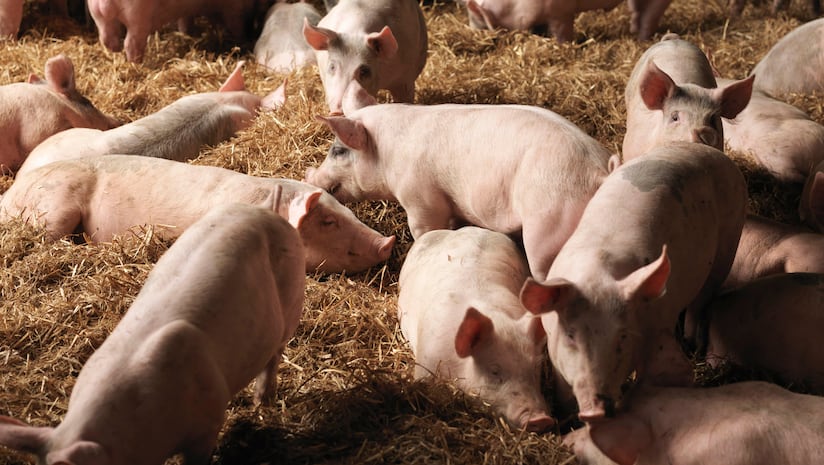
The Department of Agriculture (DA) has vaccinated nearly half a million pigs under its ASF vaccination programme.
Agriculture Secretary Francisco P. Tiu Laurel Jr. said the government must step up vaccination to support its hog repopulation programme and restore domestic swine production to pre-ASF levels.
“Vaccination must move faster and reach more farms if we are to make our repopulation program work. The goal is not just to contain ASF but to rebuild the swine industry to where it was before the disease struck.”
Making headway
Almost 65% of previously affected areas have recovered after seven years of recurring outbreaks that have battered the country’s swine sector.
According to Bureau of Animal Industry (BAI) director Christian Daquigan, 499,008 of the 500,000 ASF vaccine doses available under the programme from 2024 through the first half of 2026 have been administered, representing a 99.8% utilisation rate.
The vaccination campaign covered 54 farms across seven provinces, including commercial, semi-commercial and smallholder operations, as well as one government-owned farm.
Tarlac recorded the highest number of vaccinated pigs at 287,620 head, followed by Batangas with 92,021 and Bulacan with 88,107. The programme also reached farms in Rizal, Laguna, Quezon and Pampanga.
Despite signs of recovery, the country’s swine population remains significantly below the approximately 13 million head recorded in 2019 before ASF began spreading through local farms.
As of 22 October, active ASF infections remained in 236 barangays across 23 provinces.
However, authorities reported that 716 cities and municipalities had been reclassified as buffer or surveillance zones, accounting for 64.68% of all previously affected areas.
ASF first reached the Philippines in 2019 and triggered one of the most severe animal disease crises in the country’s livestock sector.
Vaccines and other measures
The DA’s vaccination drive received a boost in August after the BAI approved Vietnam’s AVAC ASF Live Vaccine for commercialisation in the Philippines in September.
Tiu Laurel Jr. described the approval as a significant step in the government’s swine recovery programme.
“The availability of a commercially approved ASF vaccine is crucial to our repopulation program. It gives hog raisers another tool to protect healthy animals as we work to rebuild the industry and secure a more stable supply of pork,” he said in September.
The vaccination complements existing disease prevention and control measures as authorities expand efforts to contain the virus and support herd repopulation.
Alongside vaccination, the government is investing in farm-level and community-based biosecurity programmes aimed particularly at backyard hog raisers, who remain among the most vulnerable to ASF outbreaks.
The Community Animal Biosecurity Interventions (CABI) programme, first piloted in North Cotabato in 2022, has since expanded to additional sites in Ilocos Norte and Negros Oriental, with implementation under way in Quezon province.
The programme now covers 14 barangays and 258 backyard farmers, providing training and starter materials designed to strengthen farm biosecurity.
A related Animal Biosecurity Champions Training programme will also be expanded in 2026, targeting 14 municipalities in Ilocos Norte along with areas in Albay and Cagayan. Farmers who complete the programme are expected to share disease prevention practices with neighbouring communities.
The government has also distributed PHP49.8m in indemnification payments to ASF-affected farmers across eight regions under Administrative Order No. 4, Series of 2025.


