

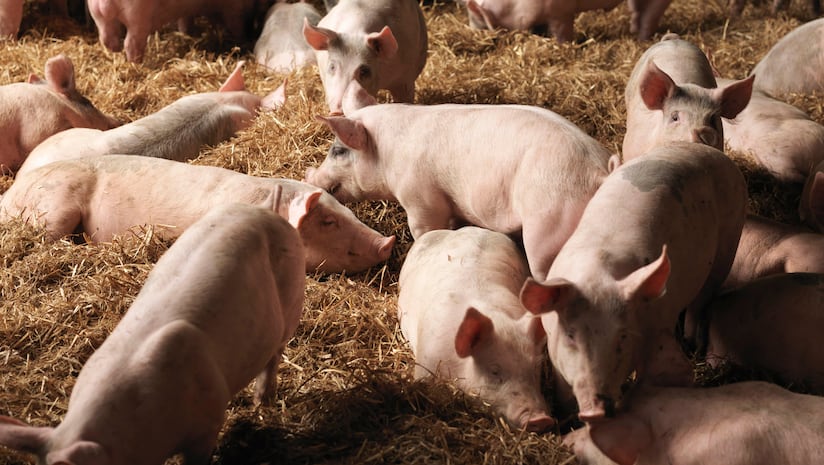
- The Philippines has approved Vietnam’s AVAC ASF LIVE vaccine
- Repeated ASF outbreaks have threatened domestic pork production
- The approval marks a major milestone as the country moves towards a more comprehensive disease-control strategy
The Bureau of Animal Industry (BAI) has authorised the commercial sale of AVAC ASF LIVE, a live attenuated, gene-deleted freeze-dried vaccine developed by Vietnam’s AVAC Vietnam Joint Stock Company.
Agriculture Secretary Francisco P. Tiu Laurel Jr. described the approval as a significant step in the government’s swine recovery programme.
“The availability of a commercially approved ASF vaccine is crucial to our repopulation program. It gives hog raisers another tool to protect healthy animals as we work to rebuild the industry and secure a more stable supply of pork,” said Tiu Laurel.
A devastating disease
The approval comes after ASF first reached the Philippines in 2019 and triggered one of the most severe animal disease crises in the country’s livestock sector.
Since the outbreak, the national hog population has declined to about eight million from roughly 13 million before ASF emerged, according to government figures.
The disease has spread to 76 of the country’s 82 provinces, forcing the culling of infected and exposed animals and complicating efforts to replenish stocks.
Although ASF poses no threat to human health, it is highly lethal in pigs and has caused significant economic losses across the sector.
Repeated outbreaks have even discouraged some producers from returning to hog farming, particularly in areas where the disease remains endemic.
The impact has been especially severe for backyard producers, who often lack the resources needed to maintain strict biosecurity measures or absorb disease-related losses.
These smallholders are crucial as they account for a large share of Philippine pig production.
Restoring the herds
Agriculture Undersecretary for Livestock Constante J. Palabrica said vaccination would form part of a broader strategy to restore the country’s swine population to pre-outbreak levels.
The government is combining vaccination with surveillance, biosecurity measures, movement controls and targeted restocking programmes as it seeks to accelerate herd recovery.
Palabrica also said another ASF vaccine candidate, South Korea’s PROVAC, is currently undergoing BAI testing and could provide farmers with a second vaccination option next year if approved.
To make ASF vaccination more accessible to smaller producers, Palabrica has requested PHP1bn (US$15.9m) in funding for next year’s vaccination programme.
Palabrica emphasised the need to support backyard farmers in particular.
The government hopes that a larger and healthier swine herd will help reduce reliance on pork imports and improve domestic supply stability.
Officials also see herd recovery as important for supporting farm incomes and easing price pressures on consumers.
DA officials acknowledged that vaccination alone will not eliminate ASF.
However, the approval of AVAC ASF LIVE marks a major milestone in the country’s shift towards a more comprehensive disease-control strategy.
“The vaccine is no silver bullet. But after years of fighting ASF largely through containment, culling, and biosecurity, hog raisers now have a new tool to fight back. For an industry that has spent years trying simply to survive, that is a significant shot in the arm.”


